
5-Star Ratings from 50k+ Clients

Oklahoma’s Mental Health Needs Innovation, Not Funding Cuts

Oklahoma faces a mental health crisis with nearly 1 million adults needing help. Learn how innovative technology solutions—not funding cuts—can transform care and save lives.

Untitled-1


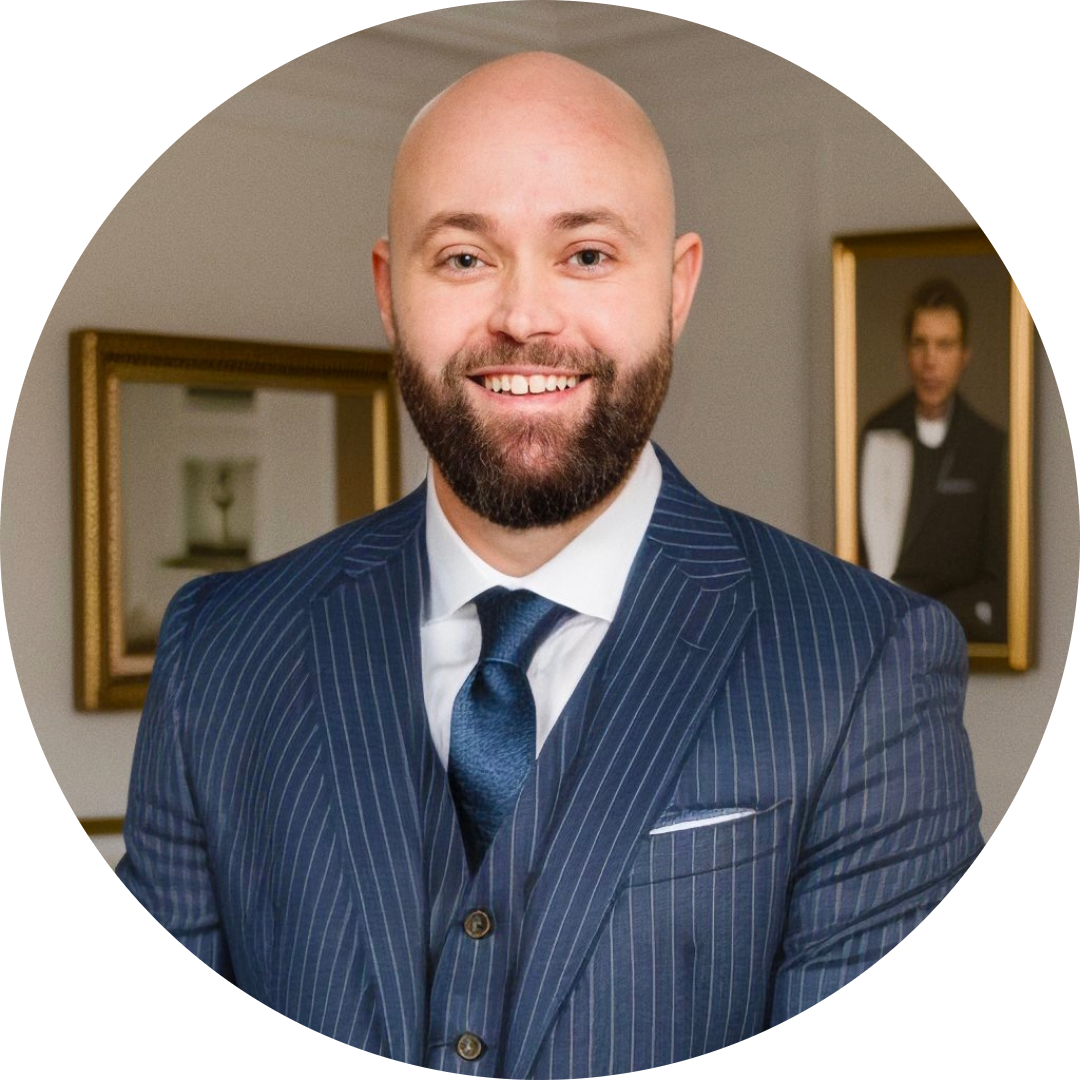
Written by: Drew LaBoon


As Oklahomans, we can no longer ignore this truth: Mental health care delivery and cost need a reckoning in our state.

Between 700,000 and 950,000 adult Sooners currently need mental health services, and far too few of them will get it. According to internal data from Pathways Recovery Centers, about one in three individuals seeking treatment do not qualify for marketplace insurance, and those who turn to state-funded programs face a waitlist of four to six weeks.

Tragically, some lose their lives while waiting, while others become so discouraged by the delay that they abandon their search for help altogether. This Mental Health Awareness Month, it’s time to look beyond the platitudes at what is really happening in our state — and how we can turn this situation around.

Budget Cuts vs. Innovation: Rethinking Oklahoma’s Mental Health Funding Strategy

Funding cuts from the Department of Mental Health and Substance Abuse Services (DMHSAS) will further prevent patients from accessing essential care if we continue to operate under current paradigms. If the state instead re-evaluated contracts, care, and operations for modernization and improvement, we would see a more business-minded approach that values our patient outcomes just as much as budget considerations.

The two need not be mutually exclusive. Today, with the advent of AI and new technology advancements, there are more tools and opportunities than ever for patient-centered innovation to transform care. Truly innovative organizations have already partnered with cutting-edge technology providers in mental health to improve care access, quality and efficiency.

To scale that kind of impact, we need more collaboration between industry-leading care providers and the state to change our current system, rather than the short-sighted elimination of essential programs and reimbursement clawbacks.

How Technology Is Transforming Mental Health Treatment in Oklahoma

At my organization, Pathways, early investment in new technologies has been essential to delivering care in the face of increased financial pressures and growing need in Oklahoma. We use geographic patient monitoring, a crucial service when more than 30% of Oklahomans live in rural areas, where access to mental health and substance use treatment remains a persistent challenge.

Relatedly, our partnership with HUML Health brought biometric monitoring into our treatment practices, giving clinicians better tools for timely patient intervention. HUML Health’s biometric tracking has been associated with a 30% increase in early relapse detection, a lifesaving statistic for many of our clients.

Our clinicians also use generative AI tools like Eleos to streamline their documentation burden. Pathways Recovery Centers saw a 70% decrease in documentation time within six months of implementation of this technology, and it continues to decrease. As a result, clinicians spend more time providing care while maintaining the required documentation standards.

Eleos enables us to deliver on what the government is demanding of our mental health system — be efficient with our resources — while also allowing us to fulfill our mission of providing substance use disorder treatment to as many clients as possible.

Real Results: The Measurable Impact of Tech-Driven Mental Health Care

Crucially, we see real, quantitative returns from our investments in innovation. More than 50 to 60% of folks in our programs reach one year of sobriety. We’ve also seen a 30% increase in early detection and timely readmissions. The ability to quickly identify relapse risks and bring someone back into care can mean the difference between recovery and tragedy. Getting individuals safe and back on track, rather than letting them slip through the cracks, is critical to reducing overdose deaths and suicide.

The result? Improved quality of life for our alumni and the communities where they work and live. Compared to national averages, we see a 30% higher rate of employment among Pathways alumni at one year post-treatment. The combination of these tools and access to care changes the trajectory of patients’ lives—and the lives of everyone around them.

A Call to Action: State Leadership Must Embrace Mental Health Innovation

Mental health organizations like Pathways meet the pressing mental health needs across Oklahoma. Rather than sidelining us and other critical organizations, state leaders should work with us to learn more about the realities of patient needs and the tech that is shifting the tides in care quality and efficiency.

Indubitably, the current budget pressures are very real. But the downstream cost savings associated with both timely mental healthcare and innovative tech adoption are exactly what Oklahoma requires to continue meeting our state’s immense need in the face of system-level financial challenges. The fiscal upside of these investments far outweigh the costs, and it is crucial that we encourage — rather than prevent — their utilization here in Oklahoma. Our citizens’ lives depend on it.

Table of Contents

Share This Post

Related Blogs

How to Cure PTSD: 5 Ways to Get Better Faster

How to cure PTSD and addiction at Country Road Recovery Center addiction treatment facility in

Drug & Alcohol Addiction Recovery for Veterans: 5 Helpful Tips

Drug and alcohol addiction recovery for veterans can be difficult. Country Road residential addiction treatment

Al-Anon: Support for Military Wives with Addicted Loved Ones

Is my husband an alcoholic? If you're asking yourself that question, learning more about Al-Anon

Is My Husband an Alcoholic?

Is my husband an alcoholic? Does he need rehab? If you're asking yourself that question,

Jerimiah Caldwell

Chef

When I arrived at Country Road I was terrified. Full of guilt, shame, and resentment. In other words I had nothing of value left to offer those around me.

I was welcomed with open arms and I slowly began the healing process.

Now, as the Executive Chef I have been blessed with the opportunity to literally serve and feed people who are just like I was when I first got here! Now, I have plenty of love, and light, (and food) to share with those around me! For this, I will forever be grateful.

Angela Tucker

CADC and LPC Canidate

Angela Tucker, CADC and LPC Candidate, has over 10 years of sobriety and over 6 years experience serving high-needs populations including individuals experiencing homelessness, veterans, those with severe mental illness, incarcerated and justice-involved individuals, and people in addiction recovery. She integrates clinical expertise, compassion, and lived experience in her practice.

April Jones

Business Office Manager

April Jones has been an important member of the Country Roads team since 2023. She first joined as a Direct Care Staff, quickly advanced to Direct Care Staff Supervisor, and now serves as our Business Office Manager. April’s passion for supporting those on their recovery journey is deeply personal after losing her daughter to addiction and walking her own path of recovery, she is committed to making a difference in the lives of others. In her free time, April enjoys crocheting and nurturing her growing collection of houseplants.

John Olson

CADC Candidate

John earned his bachelor’s degree in psychology and is currently working towards his master’s degree in Counseling Psychology at the University of Central Oklahoma. He has been working in the mental health field for several years. John has worked as a Therapeutic Assistant here at country Road Recovery, after graduating he moved on and became a Case Manager for children and adolescents. However, John believed he found his passion for working with people in addiction when he arrived at Country Road Recovery. His personal experience with family members that have struggled with addiction allows him to care for clients with compassion and understanding.

Thomas Fleming

Continuing Care Coordinator

Thomas Fleming has been working in the field of recovery for over eight years and brings a deep passion and personal commitment to his role as Continuing Care Coordinator at Country Roads. Being in recovery himself, Thomas understands firsthand the challenges and rewards of the recovery journey, and he is dedicated to supporting clients as they transition into the next phase of their lives. His personal experience allows him to connect with clients on a meaningful level, providing guidance, encouragement, and hope.

Born and raised in Oklahoma, Thomas has a strong connection to the community he works with. In his free time, he enjoys working on cars, a hobby that reflects his love of rebuilding and restoring — much like the work he does every day in helping others rebuild their lives.

Katelyn Bigbie

Registered Nurse

Katelyn Bigbie is a registered nurse at Country Road Recovery Center. With a wealth of experience spanning over a decade she obtained her nursing license in 2012 and has since honed her skills in a variety of healthcare settings.

Despite her diverse background, Katelyn has always felt a strong calling to the mental health field. Her unwavering commitment to supporting those struggling with addiction is rooted in her genuine passion for helping others on their journey to recovery. At Country Road Recovery Center, Katelyn combines her extensive nursing expertise with a deep understanding of mental health to provide the highest quality care for our patients.

Jessica Johnson

APRN-CNP

Jessica Johnson has been a part of our Country Road’s mental health treatment team since 2018. She has been a Certified Psychiatric Mental Health Nurse Practitioner for over 5 years, but has worked in the mental health and addiction treatment industry for over 20 years. Working in hospitals, residential treatments, outpatient clinics, detoxes, and jails has made Jessica adept and highly skilled in not only treating addiction, but working with people in a caring manner. Jessica graduated from Midwestern State University, Wichita Falls, Texas in 2016 with a Post Masters Degree.

Jessica has a great passion and love for treating both mental health and substance use disorders due to growing up in an unhealthy home environment where mental health and pain were treated with drugs and alcohol, leading to the death of her father by suicide. Jessica’s goal is to always help people reach their full potential, feel healthy, and functional with the least amount of medication possible.

Dr. Christopher Snyder

Medical Director

Dr. Christopher Snyder is Board Certified in Psychiatry and a diplomate of the American Board of Psychiatry and Neurology. He grew up in Edmond, OK and earned a full scholarship to the University of Central Oklahoma while serving on the President’s Leadership Council and earning a Bachelor’s degree in Biology and Minor in Chemistry. Dr. Snyder attended Oklahoma State University Center for Health Sciences where he earned his Medical Degree.

He pursued residency and fellowship training at The University of Oklahoma College of Medicine in Tulsa, Oklahoma. During his residency training at OU, he was awarded “Outstanding Senior Resident in Clinical Care” and “Excellence in Teaching”. Dr Snyder has worked in various avenues in mental health and addiction.

He has served Adults and Adolescent patients in inpatient settings, intensive outpatient, has worked as Medical Director in Detox and Rehabilitation and Partial Hospitalization programs in the Oklahoma City metro area. Dr. Snyder engages in a holistic approach to patient care treating the mind, body and spirit. In his free time, he enjoys spending time with family, attending OKC Thunder basketball, working out and traveling.

Cameron Fletcher

Admissions Coordinator

Cameron is a member of the Admissions and Outreach team. He grew up in the foster care system before being adopted and moving to Oklahoma. As a young teen he fell into a lifestyle of drugs, alcohol, and legal trouble. After years of this cycle he finally reached out for help. In 2020 he arrived at Country Road Recovery Center, where he learned the value of a healthy community and skills which would help him in his journey though recovery.

He is passionate about helping others who are also struggling with addiction. He started working for Country Road in 2022 and since then has been able to do what he loves.

Amanda Brown

Director of Admissions

Amanda (McGee) Brown is the newest addition to the Admissions Team.

Amanda grew up and graduated from a small town in Oklahoma then joined the Army at the age of 22. Her struggle with mental health and behavioral issues started in her early teens, only to be exacerbated by alcohol and drug addiction.

In 2022, she reached her breaking point causing her to seek treatment at Country Road Recovery Center. While in treatment, with help from her counselors and peers, she learned how to stand in her truth and consistently show up for herself and others.

She now advocates that while recovery can often be difficult, this way of life has given her a strong sense of purpose with a fierce desire to help others overcome addiction.

Ashley Wooliver

Director of Outreach

Born and raised in Norman, OK, Ashley faced early struggles with addiction and mental health even as she pursued her loves for music and martial arts. In 2022, she reached a turning point and began her recovery at Country Roads Recovery Center—an experience that changed her life.

Shortly after treatment, Ashley found her passion for outreach in a nonprofit role, where she saw how connecting with others could create meaningful impact. Now, as Director of Outreach at Country Roads, she is dedicated to giving back to the place that saved her life.

Ashley is committed to expanding outreach efforts, building community partnerships, and helping others find hope in recovery—just as she did.

Michael Lacy

Executive Director

Michael Lacy is passionate about working with the substance abuse population because he was able to find recovery after seeking residential addiction treatment himself.

He feels residential treatment offers him a daily glimpse of the profound restorative power of recovery and he considers it a privilege to watch people find purpose, leave hopelessness behind, and become unfettered by the shackles of addiction at Country Road.

As Executive Director, he loves to be of service to our patients and staff, and is grateful to help those suffering from this terrible disease.

A Personalized Approach To Healing

Jerimiah Caldwell

Many people arrive here exhausted, overwhelmed, and unsure where to begin. We understand because many members of our team have walked their own recovery journey too.

We aren’t a call center, and we never treat you like a number.