
There was a time when admitting you had a substance use issue could mean the end of your career. People kept quiet, showed up hungover, and hoped nobody noticed. But now, in a growing number of workplaces, the culture is shifting.
Employers are starting to see addiction not as a character flaw, but as the treatable health condition that it is. More than that, they’re realizing that supporting treatment isn’t just compassionate, it’s good business. Retention is cheaper than turnover. Burnout costs more than recovery. And high-functioning professionals with substance use disorders are generally the rule, not the exception to it.
The Scope of the Problem: Addiction Isn’t Out There, It’s Right Here
According to the National Safety Council, more than 70 percent of U.S. employers have been impacted by employee misuse of substances. Whether it’s alcohol, prescription medications, or illicit drugs, the issue doesn’t stay outside the workplace walls. It walks through the door each morning.
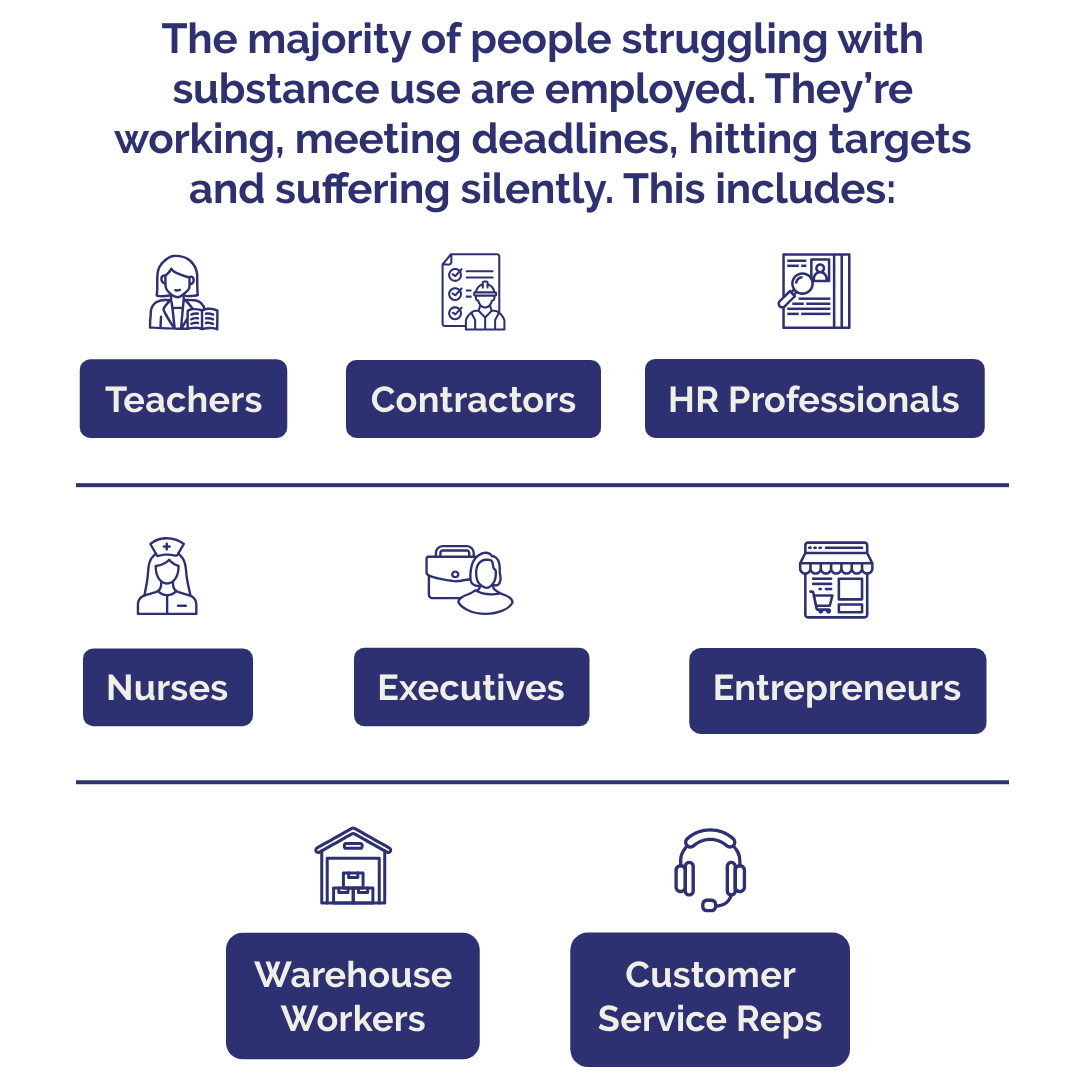
Addiction does not discriminate. And in today’s workforce, neither can employers.
Why Employers Are Changing Their Approach
The shift toward supporting addiction treatment isn’t just about doing the right thing. It’s about understanding the cost of doing nothing.
Here’s what employers are learning:
1. Recovery saves money.
Untreated addiction leads to absenteeism, poor performance, workplace accidents, and health complications. Supporting treatment reduces turnover and saves companies thousands in lost productivity and re-hiring costs.
2. Stigma reduces safety.
When employees are afraid to speak up, problems escalate. A culture that allows people to ask for help creates a safer, more accountable workplace.
3. Younger generations expect it.
Millennials and Gen Z workers value mental health transparency. Companies that ignore substance use or refuse to accommodate treatment are at risk of losing their talent pipeline.
4. Laws require it.
The ADA and FMLA protect employees seeking treatment for substance use disorders. Smart employers understand that offering support isn’t just ethical, it’s legally sound.
What Support Looks Like Today
Support can look different depending on the company, but here are a few ways workplaces are stepping up:
-
Providing FMLA-protected leave for residential or outpatient treatment
-
Connecting employees with confidential Employee Assistance Programs (EAPs)
-
Allowing schedule flexibility for therapy or aftercare appointments
-
Encouraging managers to be trained on how to handle disclosure conversations
-
Protecting positions during medical leave for treatment
-
Creating a culture where recovery is talked about, not whispered about
At Country Road Recovery, we regularly coordinate with employers to help clients take protected leave, file the right paperwork, and return to work with a plan. Our team knows how to work alongside HR departments while honoring client privacy and dignity.
If You’re Scared to Talk to Your Boss, You’re Not Alone
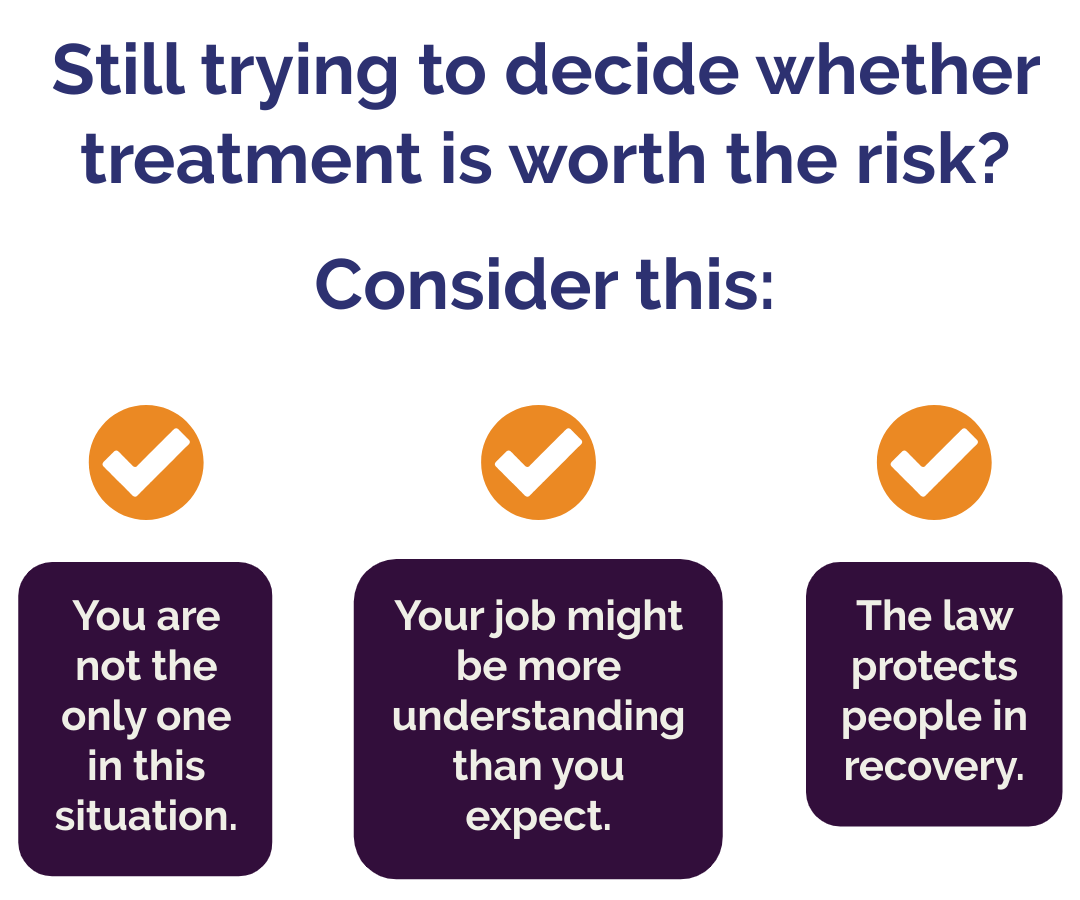
Many people stay stuck in addiction because they’re afraid of the consequences of speaking up. The fear is real. But in more and more cases, the support is real, too.
We’re seeing business owners cover travel for employees to enter treatment. We’ve helped warehouse supervisors advocate for a valued team member’s FMLA leave. And we’ve watched HR reps send care packages to clients in treatment, letting them know their job is waiting.
You might be surprised by what your employer is willing to do when they see someone taking responsibility and asking for help.
What This Means for You
Country Road Recovery can help you every step of the way.
Whether you’re ready to go to treatment or just exploring what’s possible, the first step is learning your rights and options. And knowing that asking for help doesn’t make you weak. It makes you brave.
A Healthier Workplace Starts With a Healthier You
The workplace is changing. Addiction is no longer a secret that has to be buried. It’s a medically classified disease that can be treated, managed, and understood.
And you don’t have to figure it out alone.
If you’re wondering how to start the conversation, protect your job, or take the first step toward getting help, Country Road Recovery is here to support you. Give us a call. You can keep your job. You can get your life back. And you don’t have to choose one or the other.